Solar & Battery for Holiday Lets — Power the Hot Tub, Guest EV & Evening Demand
MCS-certified solar and battery for UK holiday cottages, lodges, glamping sites and small self-catering parks. Your busiest months of April to October are also your sunniest, so in-season self-consumption is high, and a battery time-shifts the hot tub, hot water and evening guest EV charging.
- MCS Certified
- NICEIC
- RECC
- TrustMark
ACCREDITED FOR UK HOLIDAY-LET WORK





Your guests arrive when the sun does
UK holiday lets have an energy profile that is unusually well matched to solar, and it is the defining reason to install. A self-catering cottage, lodge or glamping site earns most of its income, and burns most of its electricity, in the long, bright days of April to October, exactly when a UK solar array generates the most. That is the opposite of a family home that sits empty by day and busy on dark winter evenings. The loads that make the difference are specific to the sector: the hot tub guests now expect (often the single biggest consumer on the property, roughly 2-3 kW kept hot and filtered for back-to-back stays), the heavy hot-water and laundry re-heat at every changeover, and increasingly guest EV charging. Because that in-season daytime demand coincides with peak generation, self-consumption is naturally high in the months that matter, and a battery earns its keep, storing midday sun to run the hot tub, hot water and evening EV charging after dark rather than exporting cheaply and re-buying at peak. In the quiet winter, surplus exports under the Smart Export Guarantee. Many lets are also off the gas grid on oil, LPG or electric, which raises the value of every self-consumed kWh, and for remote glamping and off-grid sites solar-plus-battery is weighed not against a grid bill but against the cost and lead time of a DNO grid extension, which it often beats outright. Note the tax position has changed: the Furnished Holiday Lettings regime was abolished from April 2025, so capital-allowance treatment now depends on ownership structure, always take your own tax advice.
- Peak occupancy (April to October) aligns with peak solar generation, so in-season self-consumption is naturally high.
- The hot tub is the defining load — roughly 2 to 3 kW kept hot and filtered for back-to-back guests, much of it daytime the solar can cover directly.
- A battery earns its keep by time-shifting midday sun to run the hot tub, hot water and evening guest EV charging after dark.
- Off the gas grid on oil, LPG or electric? Every self-consumed kWh is worth more. For remote glamping, solar-plus-battery is weighed against a costly DNO grid extension.

Sizing, cost and payback by property type
Modelled scoping ranges, not quotes. Real sizing depends on your roof, hot tub, heating, EV charging and whether you add a battery. All figures indicative.
| Property type | Indicative system | Indicative cost | Indicative payback |
|---|---|---|---|
| Self-Catering Holiday Cottages | 4-8 kW (+ 5-10 kWh battery) | £7,000-£16,000 (indicative) | 9 years (indicative) |
| Lodge & Cabin Holiday Lets | 5-10 kW (+ 5-13 kWh battery) | £9,000-£20,000 (indicative) | 8.5 years (indicative) |
| Glamping Sites (Pods, Shepherd's Huts, Safari Tents) | 3-15 kW PV + battery (+ optional backup generator) | £10,000-£45,000 (indicative) | 6 years (indicative) |
| Small Self-Catering Parks | 15-50 kW (site-wide) | £22,000-£70,000 (indicative) | 7 years (indicative) |
All kW, cost and payback figures are indicative scoping ranges scaled from commercial cost-per-kW assumptions, not quotes. See our cost page for the full method.
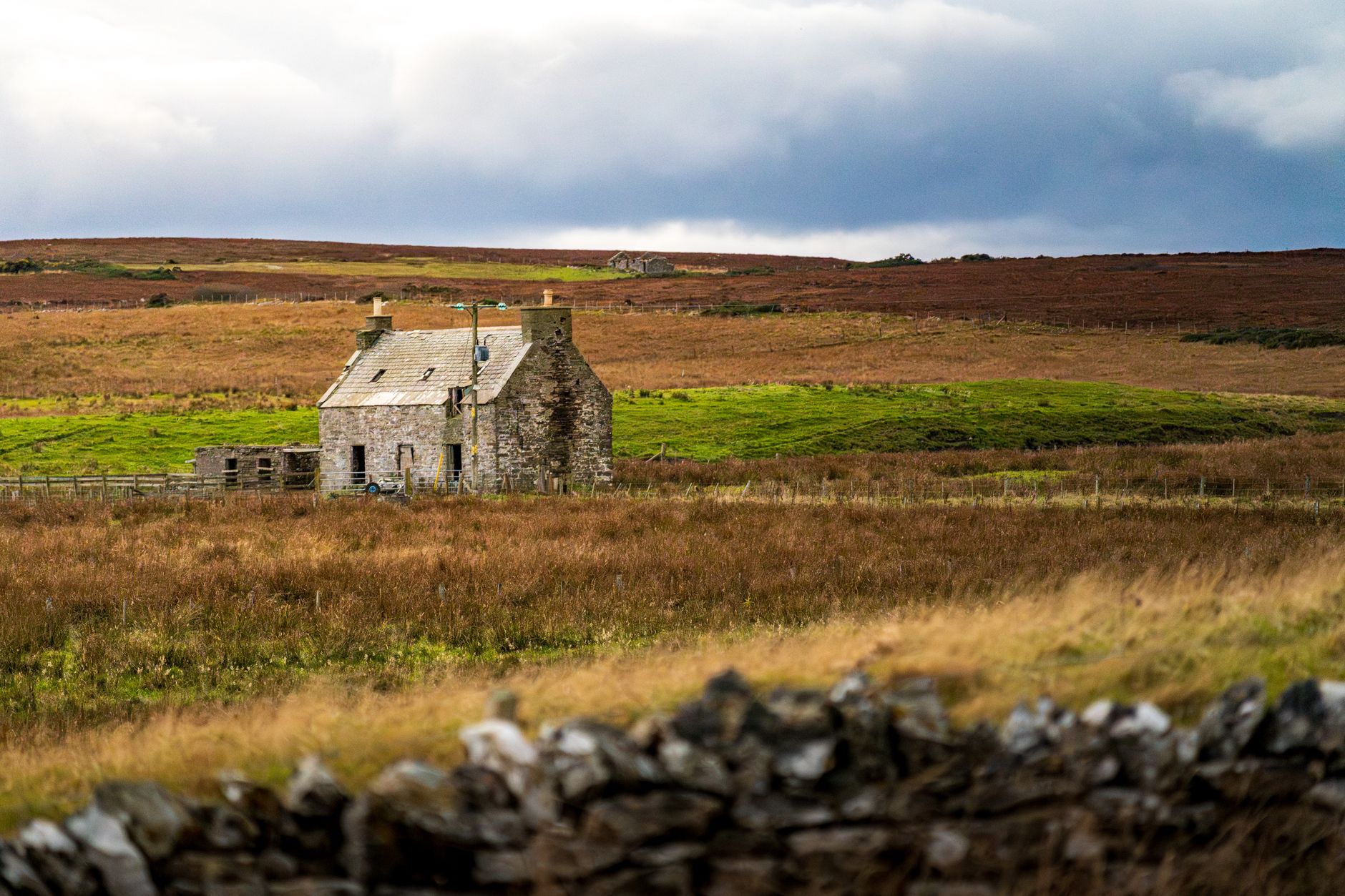
Five-star self-catering cottages cut energy cost by over £19,000 a year
Highland Farm Cottages, near Dingwall in the Scottish Highlands, is a genuine five-star self-catering business in converted stone barns and stables. The owners installed mixed renewables — solar PV alongside a 150 kW biomass boiler — to cut energy cost and carbon. This is a mixed-renewables project, so the saving is not attributed to solar alone. Source: Resource Efficient Scotland.
From first call to a system sized around your season
A clear, honest process. We size to your occupancy and your hot tub, not a generic domestic profile.
- 01Day 1–7
Free desk feasibility
We overlay your occupancy calendar on the solar generation curve and model your in-season daytime loads — hot tub, hot-water re-heat at changeover, any guest EV charging — to size the array and battery.
- 02Week 2–4
On-site survey
We survey the roof, the hot tub and changeover load, the electrical supply, and any planning sensitivity for a National Park, AONB, conservation-area or listed property. A fixed-price proposal follows.
- 03Month 2–4
Planning & DNO
We handle any Listed Building Consent or conservation-area detail and the G98 notification or G99 grid application, checked early on capacity-constrained rural and coastal networks.
- 04Month 3–5
Install around your bookings
Roof work is done in a changeover gap or your quiet season; the only outage is a short final grid connection, booked for an empty period. Then commissioning, monitoring and aftercare.
Solar for every kind of holiday let
Each property type has its own load profile, sizing, payback, compliance and planning picture. Pick yours.
 Most common
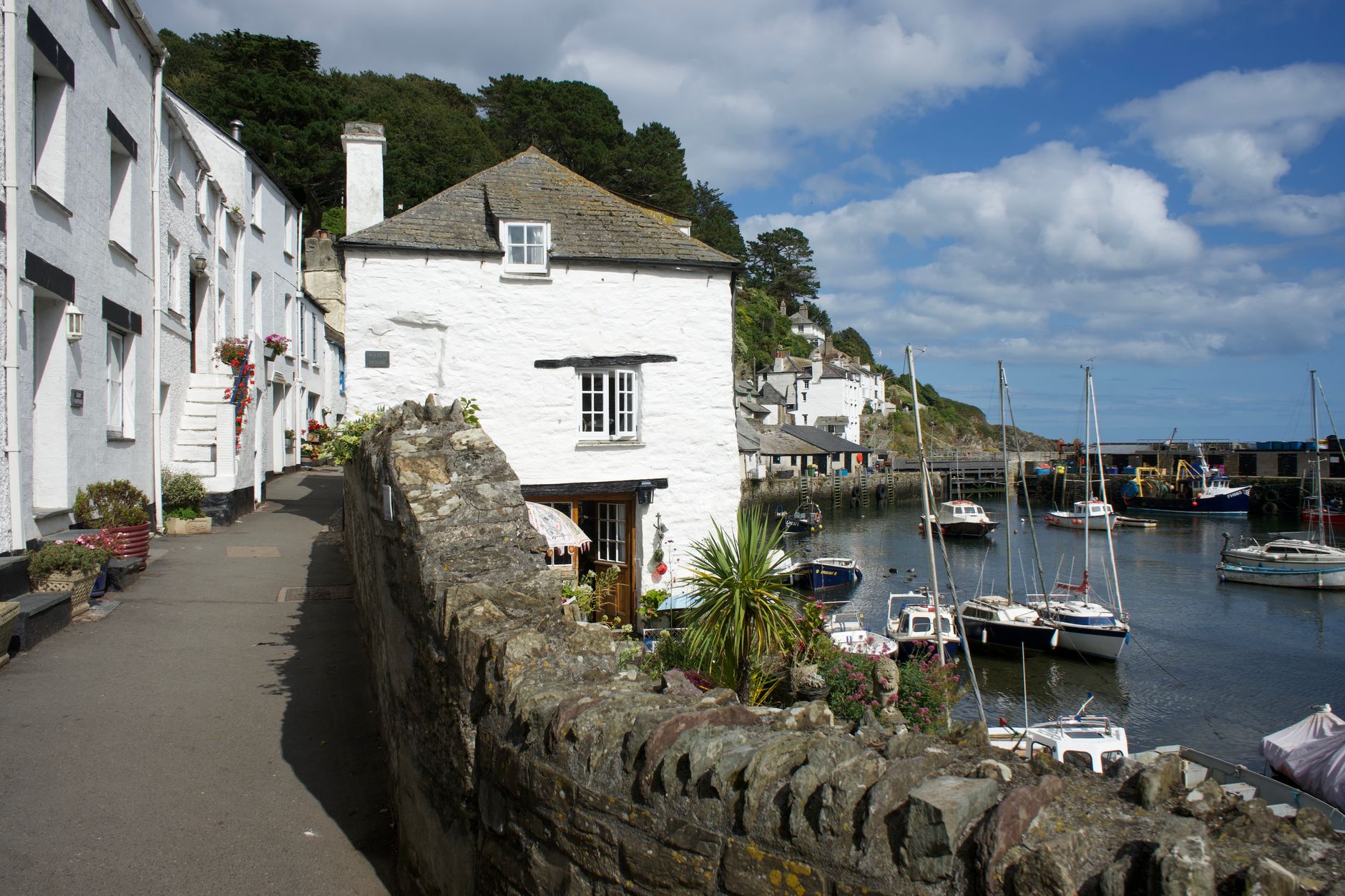
 Self-Catering Holiday Cottages
4-8 kW (+ 5-10 kWh battery). 9-year indicative payback. £7,000-£16,000 (indicative).
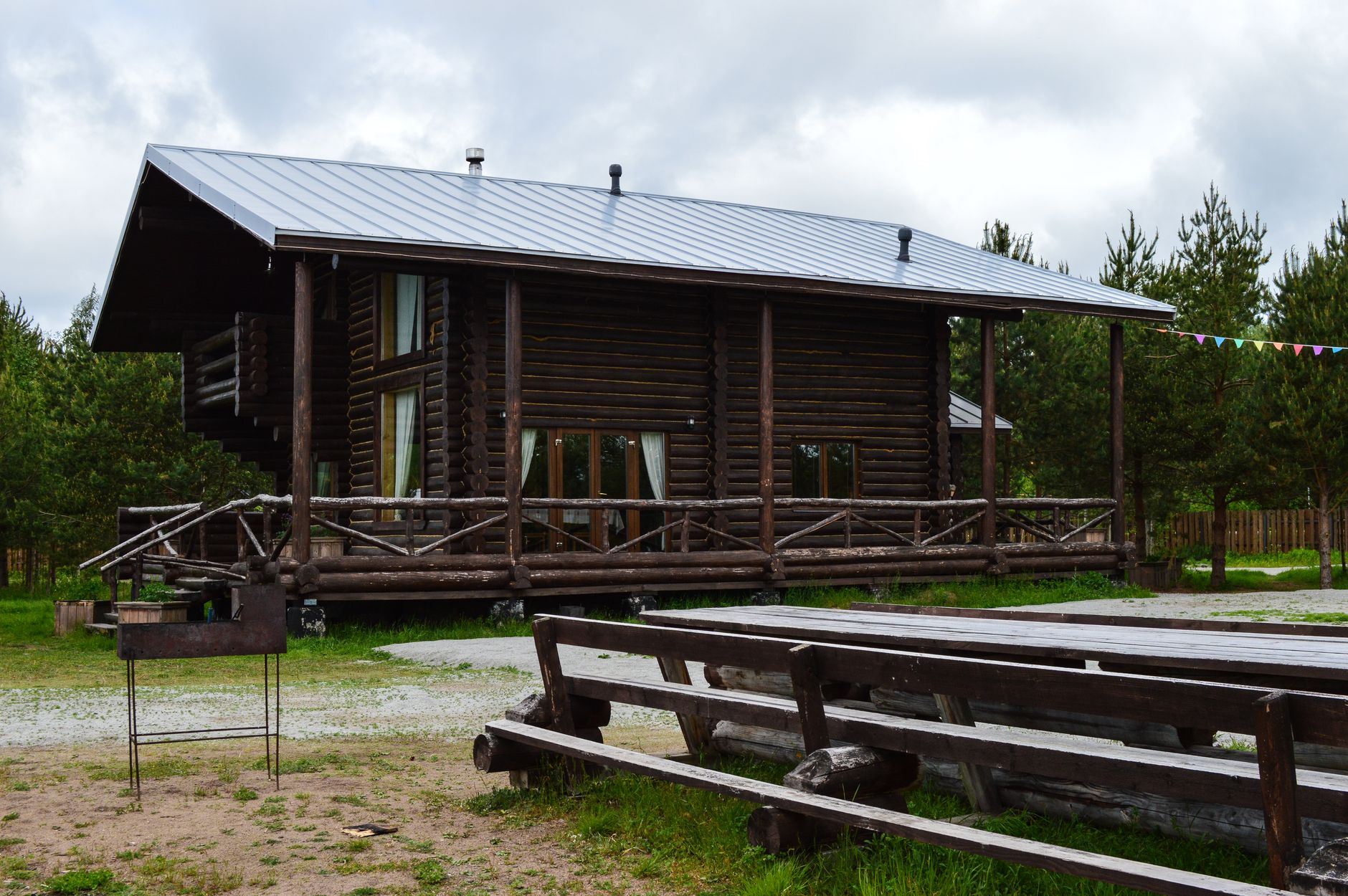
Lodge & Cabin Holiday Lets
5-10 kW (+ 5-13 kWh battery). 8.5-year indicative payback. £9,000-£20,000 (indicative).
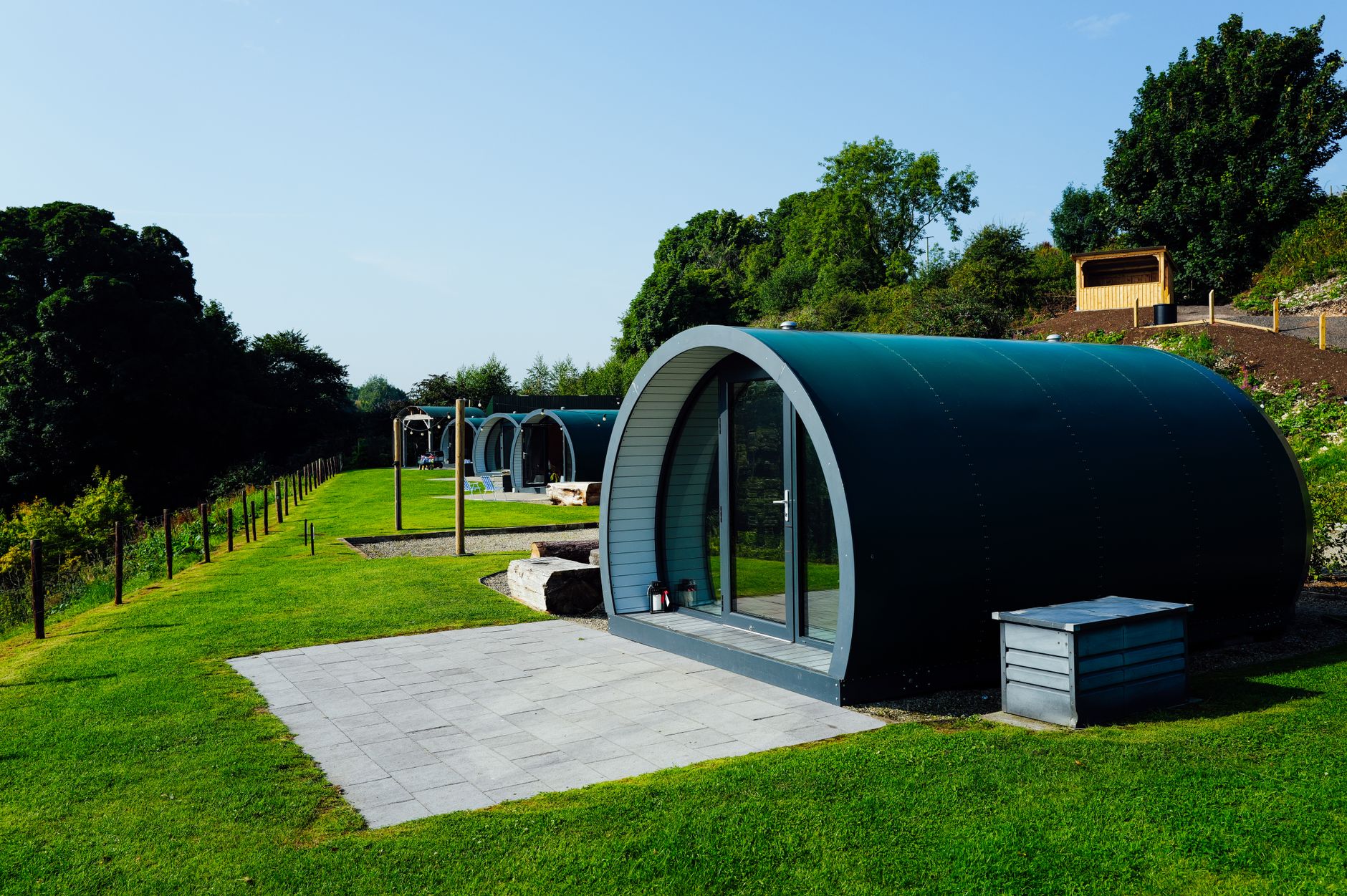
Glamping Sites (Pods, Shepherd's Huts, Safari Tents)
3-15 kW PV + battery (+ optional backup generator). 6-year indicative payback. £10,000-£45,000 (indicative).
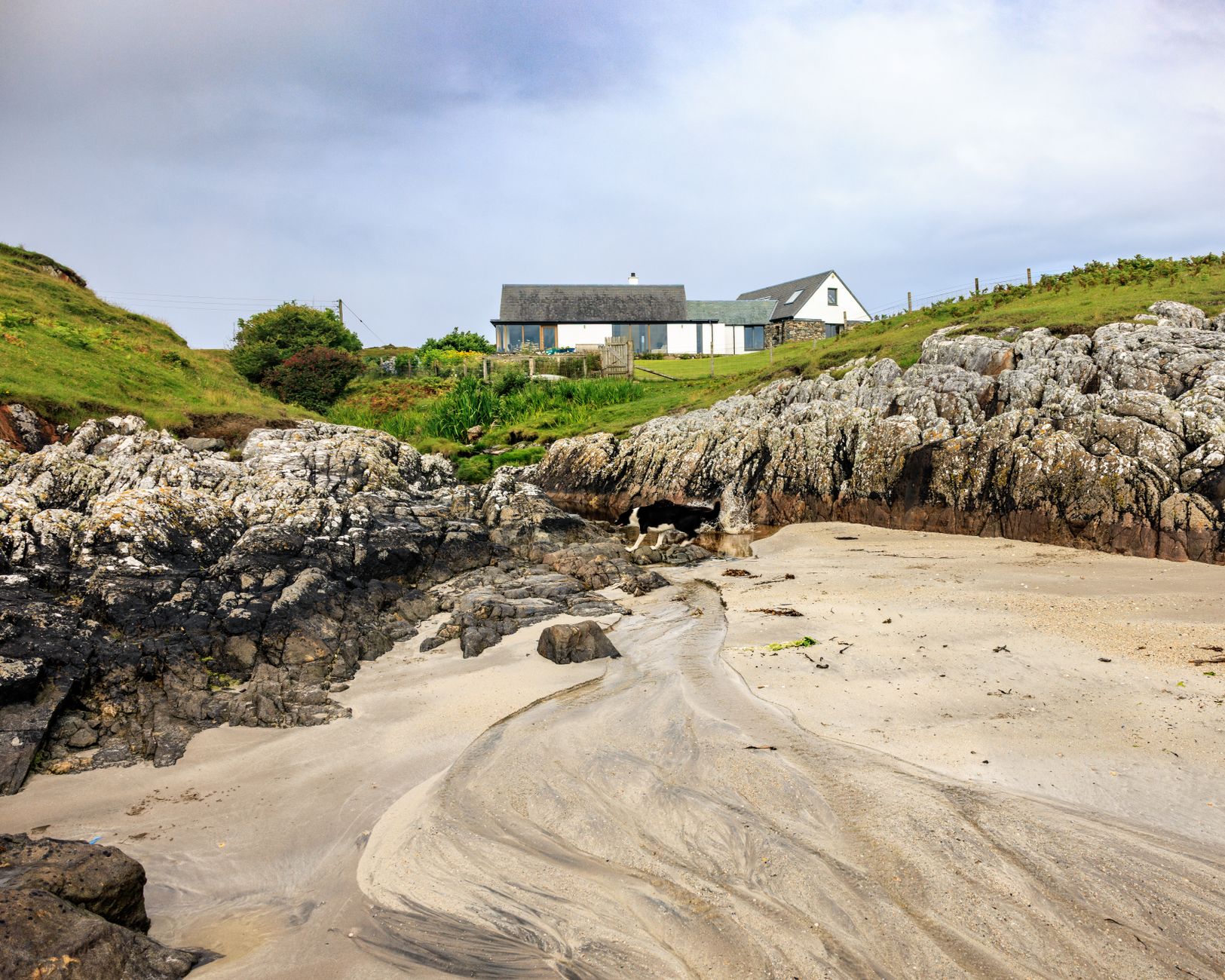
Small Self-Catering Parks
15-50 kW (site-wide). 7-year indicative payback. £22,000-£70,000 (indicative).
Planning, export income and the April 2025 tax change
Planning in protected landscapes
Roof PV on a dwelling is usually permitted development, but not on a highway-facing roof in a conservation area, and listed cottages and barns always need Listed Building Consent. In National Parks and AONBs we favour discreet, non-highway-facing roof slopes or screened ground-mount with a visual-impact assessment.
Smart Export Guarantee & VAT
Under the Smart Export Guarantee, an MCS-certified system earns on the surplus you export in the quiet off-season. 0% VAT on domestic-scale solar and battery runs to 31 March 2027, though it is a residential relief and its application to a purely commercial let is not clear-cut — confirm your position.
FHL abolished — take your own tax advice
The Furnished Holiday Lettings regime was abolished from 6 April 2025, so personally-held lets can no longer write solar down as plant and machinery; company-held lets may still qualify for the Annual Investment Allowance. We quote no allowance figures as current fact. Please take your own tax advice.
See generation and battery state from anywhere
A holiday let is rarely the owner's home, and many owners live hours from the property or run it alongside a full-time job. That makes remote visibility part of the specification, not an afterthought. Every system we install comes with app-based monitoring, so you can see generation, battery state and consumption from anywhere, useful for confirming the hot tub and hot water are being covered by solar through the season, and for spotting a fault before a guest does.
For managed properties, monitoring also lets your cleaner or property manager act on an alert without you being on site. And because the system runs whether the property is occupied or empty, it keeps earning when the let is between guests: self-consuming when someone is in, exporting under the Smart Export Guarantee when it is empty. Solar is one of the few upgrades that works for you while you are not there.
- App-based monitoring of generation, battery state and consumption from any location.
- Alerts a cleaner or property manager can act on without the owner being on site.
- The system keeps earning between guests, self-consuming when occupied and exporting when empty.

Green credentials that sell bookings
Solar is not only a cost measure. For a holiday let it is a marketing asset that supports direct bookings, platform visibility and a premium nightly rate.
Eco-conscious guests, especially in the glamping and premium-lodge segments, actively choose greener stays, and the major booking platforms now surface sustainability signals. On-site solar is auditable evidence for a Green Tourism award, which helps both direct bookings and platform visibility, and several owners now mention their solar and low running costs directly in their listing to stand out.
There is a simple guest story to tell: the hot tub they are relaxing in and the car they charged on the drive are running on sunshine from the roof. That resonates in a way a lower gas bill never will, and it supports the premium nightly rate a well-equipped, low-carbon let can command. Sustainability, in this sector, is a booking driver.
It is worth being precise about where the money is really made, because it is not only the headline hot tub. The changeover is the hidden load. Every time one party leaves and the next arrives, a let re-heats a full tank of hot water, runs the washing machine and often a tumble dryer through several loads of bedding and towels, and brings the hot tub back up to temperature after a top-up or a partial drain. On a busy property that changeover can happen twice or three times a week in peak season, and it clusters in the middle of the day between an eleven o'clock checkout and a four o'clock check-in, which is exactly when a UK roof array is generating hardest. Sizing to that midday changeover peak, rather than to a flat annual average, is what separates a system that genuinely pays on a holiday let from a default domestic install that leaves value on the table.
The shoulder months matter too. A well-run let does not simply close after the October half-term; it takes autumn walking breaks, Christmas and New Year lets, and off-season short breaks that lean even harder on the hot tub and the heating because guests stay indoors more. Those bookings draw power when generation is lower, so the battery and any smart tariff you pair with the system carry more of the load, and the export you bank across the genuinely quiet weeks tops up the return under the Smart Export Guarantee. We model the whole calendar, not just the summer, so the figures reflect how your property actually trades across the year.
Common questions from holiday-let owners
Honest answers to the questions we hear most from owners of cottages, lodges, glamping sites and small self-catering parks.
Does solar make sense if our holiday let is only busy in summer?
Yes, arguably more than for a year-round home. Your busiest, highest-earning months of April to October are also the sunniest, so in-season self-consumption is high: the hot tub, the hot-water re-heat at each changeover and guest EV charging all draw power when the panels generate most. In the quiet winter you export to the grid under the Smart Export Guarantee, earning on power you would not have used anyway. We overlay your occupancy calendar on the generation curve so you can see the seasonal match before deciding.
Will solar cover my hot tub's running cost?
Largely, in season, and the hot tub is usually the single biggest electrical load on a holiday let. A tub kept hot and filtered for back-to-back guests draws a 2 to 3 kW heater, much of it during the day, which solar can cover directly. Pairing the array with a battery lets you store midday sun to keep the tub hot into the evening and overnight for new arrivals, instead of buying peak-rate grid electricity. The hot tub is often what turns a marginal payback into a good one.
Can guests charge their EVs from our solar?
Yes, and it is one of the strongest cases for holiday-let solar. Daytime guest charging absorbs solar at near-100% self-consumption, and a battery lets guests charge from stored solar in the evening without straining your supply. A charge point is also a genuine listing selling point, as EV-driving guests actively filter for it. For a small park or multi-lodge site, the OZEV Workplace Charging Scheme can help fund the sockets.
Do I need a battery for a holiday let?
Usually, yes. The loads that define a holiday let (the hot tub, the evening hot-water re-heat and evening guest EV charging) largely fall outside peak sun, so a battery that stores midday generation and releases it after dark is where much of the return comes from. We size the battery to your actual in-season load pattern rather than fitting a default, and model the payback with and without it so you can see the difference.
Can I claim the solar against tax like I used to under the holiday-let rules?
The rules changed. The Furnished Holiday Lettings regime, which let holiday lets claim capital allowances on plant like solar, was abolished from 6 April 2025 (1 April 2025 for companies). If you hold the property personally you can no longer write the panels down as plant and machinery. If the let is held in a limited company, solar may still be qualifying plant, depending on its structure. We are not tax advisers, so please take your own tax advice, and check the gov.uk guidance, but we will not pretend the old FHL allowances still apply.
Is there still 0% VAT on solar for a holiday let?
0% VAT on qualifying domestic-scale solar and battery runs to 31 March 2027 in Great Britain. However, it is a residential relief, and its application to a property run purely as a commercial holiday let is not clear-cut. Confirm your specific position, and take your own tax advice, before relying on it.
Will we get planning permission in a National Park or conservation area?
Usually, with care. Roof-mounted PV on a dwelling is often permitted development, but not on a wall or roof fronting a highway in a conservation area, and listed buildings always need Listed Building Consent. We favour discreet, non-highway-facing roof slopes or screened ground-mount, and provide the visual-impact detail the authority expects. Many cottages, lodges and glamping sites in the Lake District, Eryri, Pembrokeshire, Cornwall and the Dales already run solar successfully.
Our glamping site or remote cottage has a weak or no grid supply, can solar work?
This is where solar-plus-battery shines. Rather than paying a DNO for a slow, expensive grid extension to a remote field, a solar-and-battery system can power your lighting, hot water, pods and shower block directly. We size the storage to carry the site overnight and through cloudy spells, and can add a small backup generator for worst-case weeks. On off-grid sites this is often dramatically cheaper and faster than a grid connection, and sizing for self-consumption only avoids a G99 export application altogether.
Will installation disrupt our guests and bookings?
We plan around your calendar. Roof work is contained and usually done in a changeover gap or your quiet season, so guests are unaffected. The only unavoidable outage is the short final grid connection, a few hours, which we book for an empty period. For a small park, we schedule the more disruptive work outside your peak season entirely.
Holiday-let solar across the UK
From Cornwall and the Lake District to Pembrokeshire, Eryri and the Highlands. Click any area for local planning, grid and tourism detail.
Whitstable
Kent. Local planning, grid and tourism detail for holiday-let solar.
Mumbles
Swansea. Local planning, grid and tourism detail for holiday-let solar.
Aberystwyth
Ceredigion. Local planning, grid and tourism detail for holiday-let solar.
Whitby
North Yorkshire. Local planning, grid and tourism detail for holiday-let solar.
St Ives
Cornwall. Local planning, grid and tourism detail for holiday-let solar.
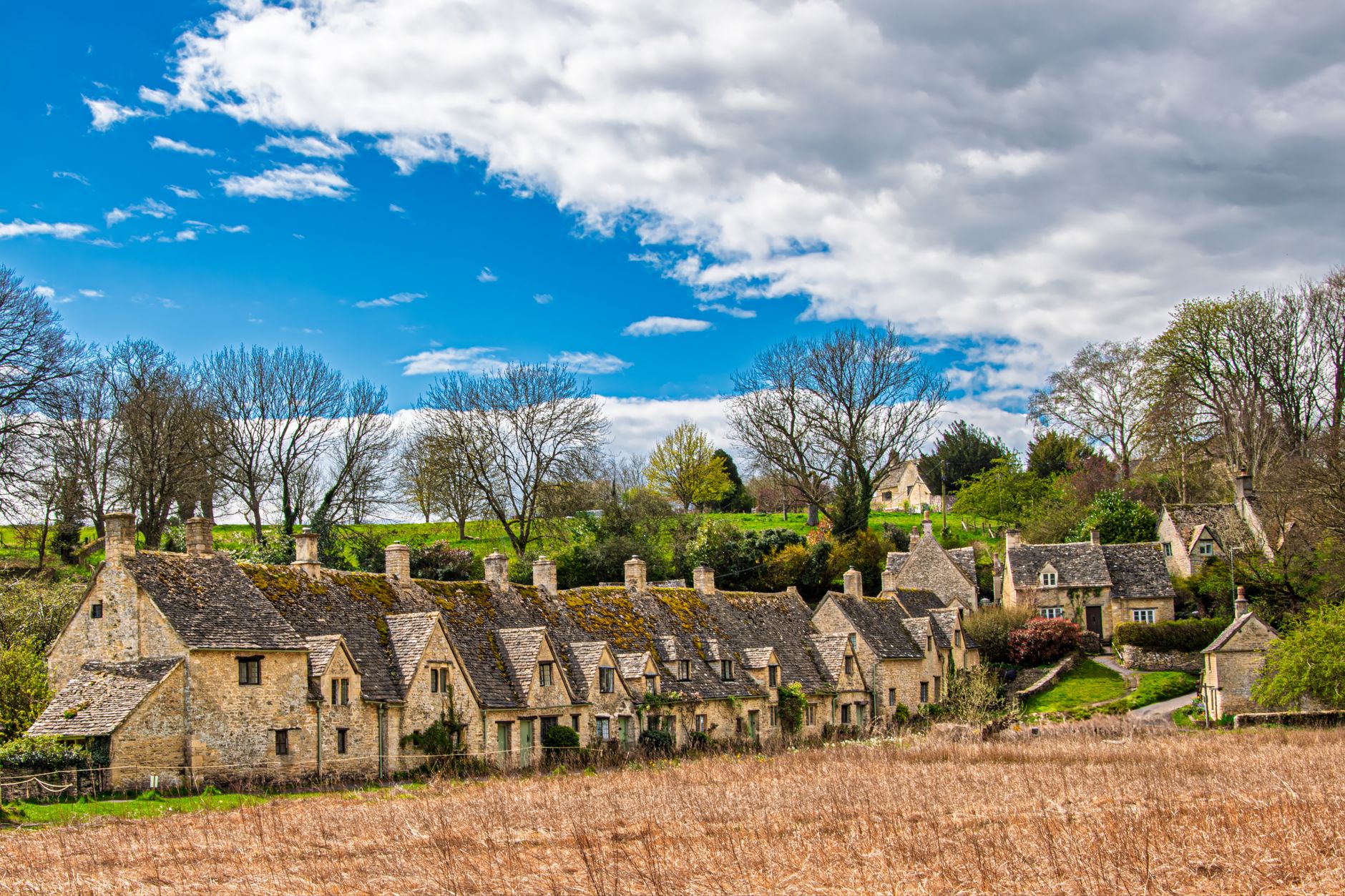
Brecon
Powys. Local planning, grid and tourism detail for holiday-let solar.